
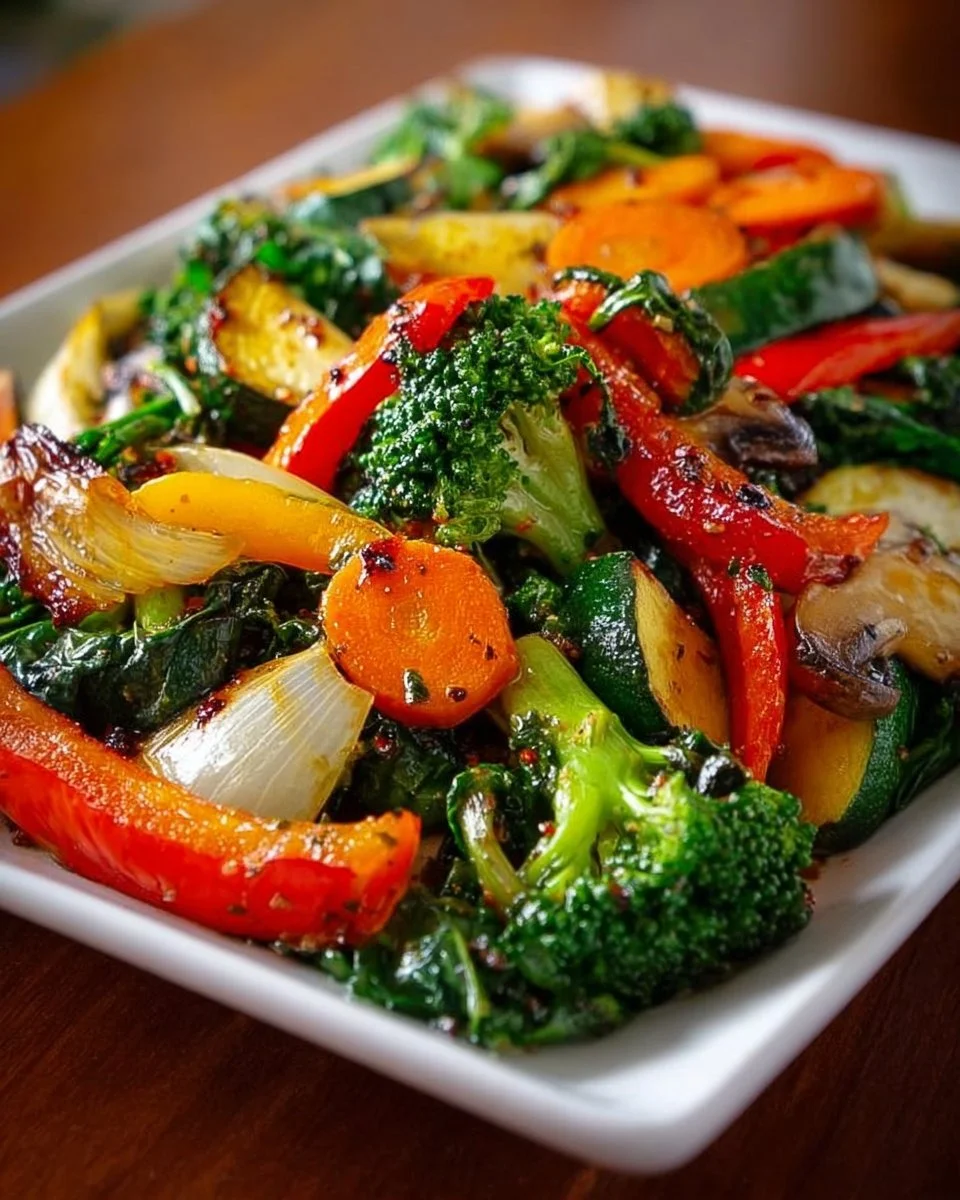
Sautéed Vegetables
Sizzling, colorful, and oh-so-satisfying, sautéed vegetables bring a delightful explosion of flavor to your dinner table. Imagine a vibrant medley of bell peppers in shades of red, yellow, and green, paired with sweet carrots and creamy zucchini. As they sizzle in a hot skillet, their natural sugars caramelize, releasing an aroma that dances through the air. The crunch of broccoli florets adds texture, while minced garlic weaves a savory backdrop that makes your taste buds anticipate the first bite with unimaginable excitement.
Visualize the scene: your kitchen filled with the enticing smells of sautéed garlic and fresh vegetables, creating an atmosphere of warmth and comfort. Each handful of this colorful creation offers a party of flavors, from the tender sweetness of carrots to the satisfying bite of crisp broccoli. Every forkful delivers a balance of textures—soft and crunchy, juicy and crisp—serving as a reminder that healthy eating can also be indulgent.
When you make sautéed vegetables, you don’t just cook a dish; you create a vibrant experience that’s perfect for any occasion, from a quiet weeknight dinner to a lively gathering with family and friends. So, let’s dive into why you’ll absolutely love this recipe, exploring its benefits, irresistible taste, and the countless possibilities it brings to your table.
Why You’ll Love This Sautéed Vegetables Recipe
Sautéed vegetables stand out for a multitude of reasons. First and foremost, they showcase the season’s best produce while delivering a delicious way to add nutrients to your diet. This dish wasn’t just thrown together; it’s an intentional combination of flavors and textures. The colorful array not only pleases the eyes but also caters to your palate, offering a range of tastes from sweet and earthy to fresh and vibrant.
Perfectly suited for any occasion, sautéed vegetables serve as a fantastic side dish to complement your favorite protein, or they can steal the show as a main course for a plant-based meal. Their adaptability means they can fit seamlessly into various cuisines—imagine pairing them with a zesty lemon herb chicken or mixing them into a hearty grain bowl. You’re not just cooking; you’re creating a canvas for culinary creativity.
Preparation Phase & Tools to Use
Before embarking on your sautéing adventure, gather a few essential tools that will elevate your cooking experience:
- Large Skillet: A wide surface area allows for even cooking and perfect caramelization. The heat distribution is crucial for achieving that crispy, tender texture.
- Cutting Board & Sharp Knife: These tools make quick work of chopping your veggies, ensuring precise sizes for even cooking. It also helps to keep the mess minimal in your kitchen.
- Spatula: A sturdy spatula will aid in stirring and flipping the vegetables without squashing them, preserving their delightful crunch.
- Measuring Spoons: Accurate seasoning makes all the difference, so having your measuring spoons on hand will help you achieve perfect flavor balance.
Before you start, wash and prep your vegetables. Cutting them into uniform pieces promotes even cooking, allowing each bite to deliver that harmonious blend of flavors.
Ingredients for Sautéed Vegetables
- Bell Peppers (assorted colors): Their sweetness adds a pop of flavor and color. Feel free to use any peppers you have on hand; they’re all delicious.
- Carrots: These contribute a natural sweetness and crunchy texture. You can substitute with parsnips for a different twist.
- Zucchini: The creamy texture offers a lovely contrast. If zucchini isn’t available, summer squash works just as well.
- Broccoli Florets: They provide not only nutritional benefits but also a satisfying crunch. Cauliflower serves as a great alternative.
- Olive Oil: A splash of good-quality olive oil ties everything together, enhancing flavors while adding healthy fats.
- Garlic (minced): The aromatic magic that elevates every dish. If you’re pressed for time, garlic powder can work in a pinch.
- Salt & Pepper: Essential seasonings that highlight the natural flavors. Spice it up with additional herbs or red pepper flakes for extra kick.
How to Make Sautéed Vegetables
-
Heat the Skillet: Begin by pouring a generous splash of olive oil into a large skillet over medium heat. Let it warm until it shimmers, signaling that it’s ready to embrace the vegetables.
-
Add Garlic: Sprinkle in the minced garlic, and sauté it for about 30 seconds, or until your kitchen fills with an irresistible aroma. Be careful not to let it burn; the golden-brown color is what you want!
-
In with the Veggies: Toss in the sliced bell peppers, carrots, and zucchini. Stir them together and let them mingle for 5-7 minutes, until they start to soften and develop that beautiful, slightly caramelized exterior.
-
Add Broccoli: Gently stir in the broccoli florets, seasoning with a sprinkle of salt and pepper. Allow everything to sauté for another 3-5 minutes, stirring occasionally, until the vegetables are tender-crisp and vibrant.
-
Serve And Enjoy: Transfer your sautéed vegetables to a serving bowl while still warm. Enjoy them as a side dish or toss them into a bowl of grains for a wholesome meal.
Chef’s Notes & Helpful Tips
- Make-Ahead Tips: You can chop your vegetables the night before and store them in an airtight container in the refrigerator, saving precious time during the week.
- Cooking Alternatives: If you’re feeling adventurous, try roasting your vegetables in the oven or cooking them in an air fryer for an even more dynamic flavor profile.
- Customization Ideas: Mix in your favorite proteins like chickpeas or tofu, or add spices such as cumin or smoked paprika for an extra layer of depth.
Common Mistakes to Avoid
Cooking sautéed vegetables sounds simple, but a few common pitfall exist:
- Overcrowding the Pan: If you pile too many veggies in, they’ll steam instead of sauté, losing that desired texture. Cook in batches if necessary.
- Not Prepping Veggies Evenly: Avoid uneven cooking by ensuring that all vegetables are chopped to similar sizes.
- Overcooking the Vegetables: Cook just until they’re tender-crisp to maximize flavor and texture. Watch them closely; nobody likes mushy veggies!
What to Serve With Sautéed Vegetables
Sautéed vegetables are incredibly versatile and complement a range of dishes. Here are some outstanding pairings:
- Grilled Chicken or Fish: The simplicity of grilled meats balanced by colorful sautéed veggies creates a well-rounded plate.
- Quinoa Bowls: Toss them into a bowl of fluffy quinoa and drizzle with your favorite dressing for a nutritious meal.
- Pasta Dishes: They add a fresh element to creamy or tomato-based pasta dishes, elevating your plate visually and flavor-wise.
- Rice Dishes: Serve over brown or white rice for a cozy, comforting meal.
- Tacos: Incorporate them into soft tortillas with beans and fresh salsa for a zesty treat.
- Buddha Bowls: Layer with grains, greens, and a protein of choice, topped with avocado for a satisfying and eye-catching meal.
- Omelets and Scrambles: Include them in a hearty breakfast for a power-packed start to your day.
Storage & Reheating Instructions
If you happen to have leftovers—though they’re unlikely to last long—store them in an airtight container in the refrigerator for up to 3 days. For longer storage, freeze your sautéed vegetables for up to a month. To reheat, simply warm them in a skillet over medium heat, adding a splash more olive oil if needed, or pop them in the microwave for convenience.
Estimated Nutrition Information
While exact values may vary, this recipe typically offers about 120 calories per serving, low in saturated fats and rich in essential vitamins and minerals, making it an excellent healthy side option.
Please consult a nutritionist for tailored advice.
FAQs
Can I use frozen vegetables for this recipe?
Absolutely! Frozen vegetables can work well, especially when fresh produce isn’t available. Just remember that frozen vegetables may require a bit longer to cook due to their moisture content—keep an eye on them!
Can I add other ingredients to sautéed vegetables?
Definitely! Feel free to include other veggies like green beans, snap peas, or mushrooms, or even throw in a handful of spinach or kale for added nutrients.
Is this dish suitable for meal prep?
Yes! Sautéed vegetables store wonderfully. You can prepare a large batch, divide them into portions, and use them throughout the week as a side dish or grain bowl topping.
Can I sauté vegetables without oil?
Certainly! You can sauté using vegetable broth or water to keep it oil-free. Just keep stirring to avoid sticking and burning.
What’s the best way to enhance the flavor of sautéed vegetables?
Experiment with different herbs and spices, such as Italian seasoning, a dash of soy sauce, or a squeeze of fresh lemon juice just before serving for an extra zesty kick.
Conclusion
With its vibrant colors, mouthwatering aromas, and tantalizing flavors, sautéed vegetables embody the essence of healthy cooking made delicious. This recipe transforms humble produce into a culinary delight, ensuring you never have a dull moment on your plate. Whether you enjoy them as a delightful side or star in a hearty grain bowl, these sautéed veggies promise to nourish both body and soul. Dive into creating your vegetable medley and savor the joy of cooking made easy and exciting! Reimagine your meals with this dynamic dish that’s bound to have everyone coming back for seconds. Enjoy!
PrintSautéed Vegetables
A vibrant medley of sautéed bell peppers, carrots, zucchini, and broccoli, bursting with flavor and nutrition.
- Prep Time: 15 minutes
- Cook Time: 15 minutes
- Total Time: 30 minutes
- Yield: 4 servings 1x
- Category: Side Dish
- Method: Sautéing
- Cuisine: Global
- Diet: Vegetarian
Ingredients
- Assorted Bell Peppers
- 2 Carrots
- 1 Zucchini
- 1 cup Broccoli Florets
- 2 tablespoons Olive Oil
- 2 cloves Garlic (minced)
- Salt & Pepper to taste
Instructions
- Heat the skillet: Pour olive oil into a large skillet over medium heat.
- Add garlic: Sprinkle in the minced garlic and sauté for about 30 seconds.
- In with the veggies: Toss in bell peppers, carrots, and zucchini, and stir for 5-7 minutes.
- Add broccoli: Stir in broccoli florets and season with salt and pepper, cooking for another 3-5 minutes.
- Serve and enjoy: Transfer to a serving bowl and enjoy warm or in a grain bowl.
Notes
Can use frozen vegetables, and customize with proteins or spices.
Nutrition
- Serving Size: 1 serving
- Calories: 120
- Sugar: 5g
- Sodium: 200mg
- Fat: 7g
- Saturated Fat: 1g
- Unsaturated Fat: 6g
- Trans Fat: 0g
- Carbohydrates: 18g
- Fiber: 4g
- Protein: 3g
- Cholesterol: 0mg
Keywords: vegetable medley, healthy side, sautéed vegetables, quick recipe, easy cooking